THE PSYCHOLOGY OF YOU

Psychology video library.

Clear explanations. A little more perspective.
Explore mental health and the patterns that shape our lives.

With Dr. Rami Nader

Watch here, then go deeper with a related psychology guide.

From the archive

Page 5 of 15 · 23 videos

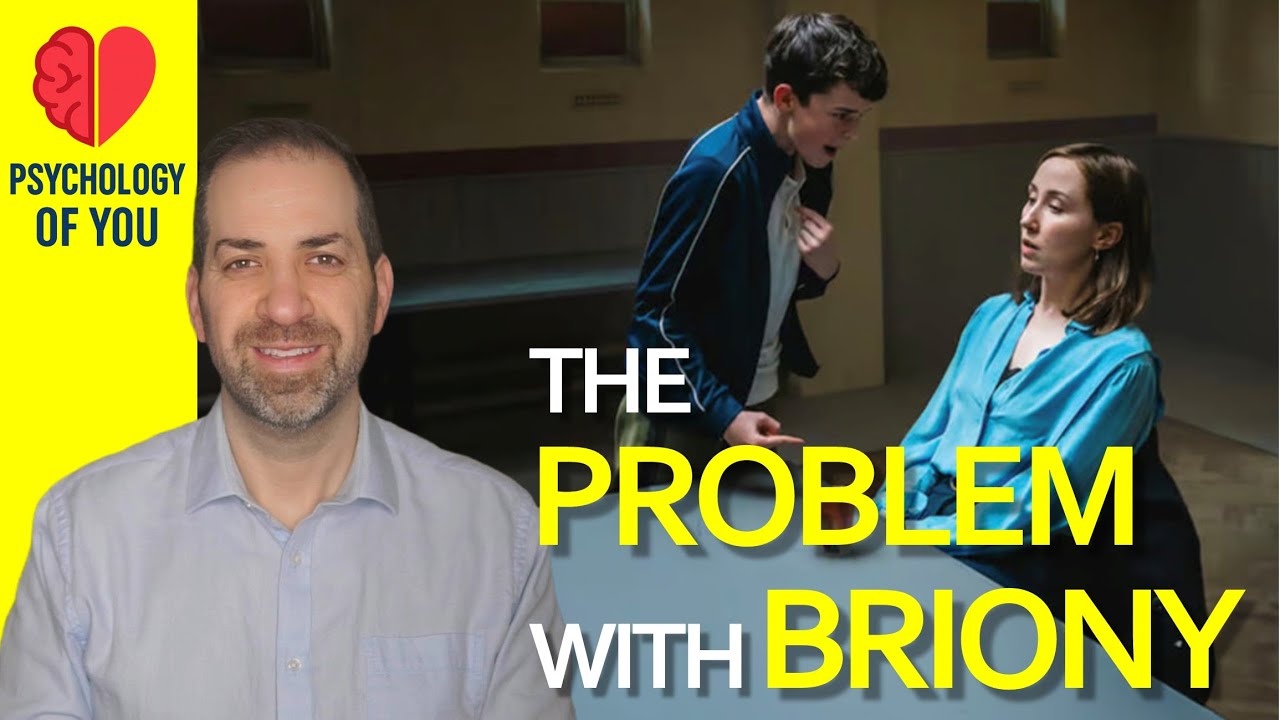
A Psychologist’s Review of ADOLESCENCE (Netflix), Episode 3 Play video

April 24, 2025

A Psychologist’s Review of ADOLESCENCE (Netflix), Episode 3

The Netflix series "Adolescence" is an exceptionally well done and dramatic series of episodes. In episode three, Jamie is interviewed by a psychologist, Briony and from the perspective of a psychologist, there were some significant problems with Briony's conduct and behavior in the assessment. This video provides a psychologist's perspective on Adolescence, episode three and some of the mistakes Briony made during her interview of Jamie.

Watch on YouTube
Is It ANXIETY—or Just Being PREPARED? The Role of Motivation in Worry: Worry Management 8 Play video

April 17, 2025

Is It ANXIETY—or Just Being PREPARED? The Role of Motivation in Worry: Worry Management 8

What really drives your worry behaviors? In this video, we explore the hidden force behind many anxious actions, motivation, and how it shapes your response to uncertainty. Whether you’re putting off a task, Googling symptoms, or avoiding social situations, the key question is why you’re doing it. Is it driven by anxiety and a need for certainty? Or is it something else entirely? We break down the concept of intolerance of uncertainty (IU) and explain how the same behavior can mean very different things depending on your motivation. From health anxiety to everyday over-preparing, understanding what’s fueling your actions is essential for effective anxiety management. This video continues our series on worry and generalized anxiety, using relatable, real-life examples to illustrate the nuances of IU. You’ll learn how to distinguish anxiety-driven behaviors from everyday habits and how to start recognizing the patterns in your own life.…

Watch on YouTube
Tired of OVERTHINKING? How COGNITIVE DIFFUSION Can Help Play video

April 10, 2025

Tired of OVERTHINKING? How COGNITIVE DIFFUSION Can Help

Ever feel like a thought takes over your entire mind, no matter how hard you try to push it away? Whether it’s self-criticism, anxiety, or just relentless overthinking, intrusive thoughts are a part of being human. In this video, we explore cognitive diffusion, a powerful psychological technique that helps you create space between you and your thoughts. We break down how cognitive fusion keeps you stuck, making thoughts feel like undeniable truths and how diffusion techniques like “I’m having the thought that…,” silly voices, and repetition can help you observe your thoughts instead of reacting to them. You’ll learn how to practice distancing from mental chatter, reduce anxiety, and regain control over your mental space. If you struggle with overthinking, social anxiety, or self-doubt, this video gives you simple, actionable strategies to stop getting pulled into your thoughts and start responding more flexibly. Learning to notice your thoughts without being ruled by them can make a big difference in how you feel and act.…

Read a related guideRumination
Watch on YouTube
Trapped in ANALYSIS PARALYSIS? It's INTOLERANCE of UNCERTAINTY: Worry Management 7 Play video

April 3, 2025

Trapped in ANALYSIS PARALYSIS? It's INTOLERANCE of UNCERTAINTY: Worry Management 7

Do you find yourself stuck in endless research, constantly second-guessing your choices, or seeking reassurance before making simple decisions? These might seem like harmless habits, but they’re often signs of something deeper: intolerance of uncertainty (IU). In this video, we explore how IU drives behaviors like overthinking, excessive information gathering, reassurance-seeking, and perfectionistic double-checking. You’ll learn how these patterns show up in everyday life—from buying a camera to sending an email—and how they can keep you trapped in anxiety and indecision. More importantly, we’ll discuss what you can do about it. This video builds on our earlier discussions about the "engine of worry" and how avoidance and control strategies actually make anxiety worse in the long run. By learning to recognize and challenge these IU behaviors, you can start to shift your relationship with uncertainty—and reduce your overall anxiety.…

Read a related guideWorry & uncertainty
Watch on YouTube
Why You're NOT Happy (Even When Life’s Good) & What You Can Do About It Play video

March 27, 2025

Why You're NOT Happy (Even When Life’s Good) & What You Can Do About It

Why does happiness feel so fleeting and can we actually train our brains to feel happier over time? In this video, we explore how neuroplasticity, the brain’s ability to adapt and rewire, plays a key role in long-term happiness. Drawing from research and cognitive-behavioral techniques, we’ll look at how everyday habits can reshape our neural pathways and why you don’t need a perfect life to feel better. We break down four science-backed strategies that can help you rewire your brain for happiness: Goal setting, build positive momentum through small wins; Problem solving, shift from feeling stuck to taking action; Behavioral activation, re-engage with meaningful activities; Thought challenging, confront negative thinking with evidence. These aren’t just quick fixes, they’re tools for real psychological change. If you’ve felt caught on the “hedonic treadmill,” where new achievements stop bringing joy, or if your brain seems stuck in negativity, this talk will offer a way forward that’s grounded in both science and practical application.…

Watch on YouTube
6 Hidden Ways You Avoid UNCERTAINTY (& How to Spot Them): Worry Management 6 Play video

March 20, 2025

6 Hidden Ways You Avoid UNCERTAINTY (& How to Spot Them): Worry Management 6

Avoidance might seem like a harmless habit, but it can quietly keep anxiety alive and thriving. Many people struggling with chronic worry or generalized anxiety don’t realize that their day-to-day decisions, procrastinating, overcommitting, or hesitating to make choices, may actually be rooted in a deeper issue: intolerance of uncertainty. This core psychological concept is one of the major drivers behind excessive worry, and it often shows up in subtle behavioral patterns that make life feel more stressful and less manageable. From putting things off to avoiding difficult conversations or refusing to fully commit to relationships, intolerance of uncertainty can affect nearly every area of your life. While these behaviors might create short-term relief, they often lead to long-term anxiety, burnout, and a reduced ability to tolerate the unknown. Learning to recognize these avoidance patterns is a crucial step in breaking the cycle of anxiety. This topic is central to understanding how to manage generalized anxiety disorder using cognitive behavioral therapy (CBT).…

Read a related guideWorry & uncertainty
Watch on YouTube
Feeling Better AFTER Depression? Why You Shouldn’t Let Your Guard Down: Depression Skills 26 Play video

March 13, 2025

Feeling Better AFTER Depression? Why You Shouldn’t Let Your Guard Down: Depression Skills 26

Avoiding depression relapse is one of the biggest challenges for people who’ve started to feel better after a major depressive episode. Recovery from depression often feels like finally making it out of the woods, only to realize those same paths could lead back in if you're not paying attention. The truth is, depression has a high rate of recurrence, especially in the months following recovery. But the good news is there are proven ways to reduce the risk of relapse. By learning to recognize early warning signs, like changes in sleep, energy, or interest, and by continuing the healthy habits that supported recovery, such as exercise, therapy, medication, and social connection, long-term wellness becomes more sustainable. Many people only focus on their mental health when things go wrong. But real protection comes from staying proactive and consistent, even when things feel okay. This is where cognitive behavioral strategies, emotional self-awareness, and routine check-ins play a vital role.…

Read a related guideDepression
Watch on YouTube
INTOLERANCE of UNCERTAINTY: The Fuel Behind Worry: Worry Management 5 Play video

March 6, 2025

INTOLERANCE of UNCERTAINTY: The Fuel Behind Worry: Worry Management 5

Many people live in a constant state of worry because of one powerful psychological factor: intolerance of uncertainty. It’s not just the unknown itself that causes anxiety, it's how a person perceives and reacts to it. For those with high intolerance of uncertainty, even small unknowns can trigger major emotional reactions, including chronic worry, overthinking, and panic. This pattern shows up frequently in generalized anxiety disorder (GAD) and can make day-to-day life feel overwhelming. This explanation introduces the concept of intolerance of uncertainty as the fuel behind the worry engine. Using a relatable analogy of psychological “allergy,” it explores how some people experience disproportionate distress in uncertain situations, while others remain calm. The script also covers the spectrum of uncertainty tolerance and how behaviors like avoidance, reassurance-seeking, and excessive planning keep people stuck in anxiety loops. Instead of eliminating uncertainty, a task that’s impossible, it’s more helpful to focus on building tolerance for it.…

Read a related guideWorry & uncertainty
Watch on YouTube
Rewriting Your HEALTH RULES to Beat HEALTH ANXIETY Play video

February 27, 2025

Rewriting Your HEALTH RULES to Beat HEALTH ANXIETY

Many people struggling with health anxiety live by rigid rules about what it means to be healthy, rules like “I must always be symptom-free” or “If my doctor doesn’t know what’s wrong, it must be serious.” These unhelpful health rules increase anxiety, reinforce catastrophic thinking, and often lead to excessive symptom monitoring, avoidance behaviors, or unnecessary medical visits. But these rules weren’t always problematic. Many started as ways to feel safe or in control. Over time, though, they’ve become unrealistic and anxiety-provoking. This video focuses on how to identify, challenge, and change rigid health-related beliefs using cognitive behavioral therapy (CBT) principles. You’ll learn how to recognize which health rules are doing the most harm, understand where they came from, and walk through specific steps to replace them with more realistic and balanced beliefs. We’ll also look at how behavior plays a role, why reinforcing new health rules through action is key to breaking the cycle of health anxiety.…

Read a related guideHealth anxiety Anxiety
Watch on YouTube
What to Do When You’re ANXIOUS But Don’t Know Why: Worry Management 4 Play video

February 20, 2025

What to Do When You’re ANXIOUS But Don’t Know Why: Worry Management 4

If you often feel anxious without knowing why, you’re not alone. Many people experience what seems like free-floating anxiety, an underlying tension that shows up even when nothing obvious is wrong. But what if the real issue is that your brain is worrying on autopilot and you’ve simply stopped noticing? That’s where worry awareness training comes in. Grounded in principles of cognitive behavioral therapy (CBT), worry awareness training is a powerful anxiety management strategy that helps people become more conscious of their thought patterns. By using a simple worry diary, you can begin identifying the triggers, thought spirals, and emotional responses that fuel your anxiety. Tracking your worry at set intervals throughout the day helps you uncover automatic thoughts, recognize patterns, and distinguish between real and hypothetical problems. Over time, this kind of emotional insight builds clarity—and gives you the upper hand over chronic worry.…

Watch on YouTube
OVERTHINKING Everything? Start Doing THIS Instead Play video

February 13, 2025

OVERTHINKING Everything? Start Doing THIS Instead

Overthinking can make even the smallest decisions feel overwhelming. When your mind is constantly spinning, rehashing conversations, predicting worst-case scenarios, or trying to solve problems that don’t even exist yet, it’s no wonder you feel mentally exhausted. Overthinking is often mistaken for problem-solving, but it rarely leads to clarity. Instead, it can lead to anxiety, indecision, and emotional burnout. This guide explores the key signs of overthinking, including rumination, worry spirals, and analysis paralysis. It breaks down why overthinking happens and how it’s often rooted in perfectionism and fear of uncertainty. You’ll also learn practical techniques to reduce overthinking, such as mindfulness strategies, time-limited decision-making, and the importance of self-compassion. These tools help shift your mindset away from “what ifs” and into grounded, present-focused thinking. Mindfulness can train your attention to break unproductive thought cycles. Self-compassion helps counter harsh self-criticism that keeps the spiral going.…

Read a related guideRumination
Watch on YouTube
7 Things You’re Doing that DON’T Help Your WORRY: Worry Management 3 Play video

February 6, 2025

7 Things You’re Doing that DON’T Help Your WORRY: Worry Management 3

If you struggle with constant worry or anxiety, it’s easy to fall into the trap of doing more—checking, avoiding, seeking reassurance—in an attempt to feel better. But many of these strategies are actually making things worse. Understanding the most common worry behaviors and how they backfire is a critical step in breaking the anxiety cycle. From excessive checking and reassurance seeking to trying to manage worry with busyness, self-medication, or even ineffective self-care, these responses offer only short-term relief and often reinforce the problem long term. These behaviors become part of a feedback loop that keeps anxiety going, leaving you feeling exhausted, demoralized, and stuck. This guide explores seven key behaviors that people use to manage anxiety—behaviors that often seem helpful but sabotage recovery. It also explains why good strategies, like problem solving, sometimes fail when used at the wrong time or in the wrong way.…

Read a related guideWorry & uncertainty
Watch on YouTube
How DOGS Help Fight DEPRESSION Play video

January 30, 2025

How DOGS Help Fight DEPRESSION

Dogs aren’t just loyal companions, they can also play a crucial role in fighting depression. If you’ve ever felt the isolating and overwhelming effects of depression, you know how difficult it can be to stay active or maintain a routine. This is where dogs step in as powerful antidepressants. Their need for daily walks and playtime encourages regular physical activity, which in turn boosts mood by increasing endorphins, the body’s natural feel-good neurotransmitters. Additionally, the companionship of a dog helps reduce feelings of loneliness and isolation, offering unconditional love and a sense of connection that’s often lost during depressive episodes. Research has shown that dog owners tend to have better mental well-being and lower levels of depression compared to those without pets. Dogs create structure and provide a sense of purpose, which are vital in maintaining a healthy routine, something that depression often disrupts. Moreover, the act of caring for a dog fosters a sense of achievement, enhancing self-esteem.…

Read a related guideDepression
Watch on YouTube
Defining WORRY & Why it Matters: Worry Management 2 Play video

January 23, 2025

Defining WORRY & Why it Matters: Worry Management 2

Worry is something almost everyone experiences, but do you know what it actually is and why it feels so overwhelming? At its core, worry is a thought process—a collection of negative, future-oriented thoughts that spiral into worst-case scenarios. It’s often triggered by something specific, leading to a cascade of "what if" questions. These thoughts loop over and over again, fueling anxiety and creating a sense of exhaustion and dread. What sets worry apart from other forms of thinking is its focus on negative future events. We rarely worry about good things happening, but we often become consumed by fears of what could go wrong. As a result, worry can feel like a never-ending cycle, leaving us mentally drained. Understanding worry is the first step in learning how to manage it effectively. Recognizing that worry is about future negative events, accompanied by anxiety, helps separate it from other emotions and behaviors. In this video, we explore the definition of worry, its cognitive nature, and how it leads to anxiety.…

Read a related guideWorry & uncertainty
Watch on YouTube
How Your HEALTH RULES Are Making You ANXIOUS Play video

January 16, 2025

How Your HEALTH RULES Are Making You ANXIOUS

We all have health-related rules that guide our daily lives, but not all of these rules are beneficial. Some of the health assumptions we form early in life can become so rigid that they trigger unnecessary anxiety. For instance, you may have grown up with the belief that you must always be symptom-free, or that every slight bodily sensation is a serious issue. While these rules might seem helpful at first, they can actually amplify anxiety, leading to hypervigilance, excessive health monitoring, and avoidance behaviors. Rigid health rules often stem from early life experiences, whether it’s from anxious caregivers or societal expectations of what it means to be healthy. These rules may initially appear protective, but when they become unrealistic, they do more harm than good. For example, the belief that any discomfort or symptom must be immediately addressed can create an endless cycle of worry and medical visits, which often leads to more confusion and stress, not solutions. The key to managing this anxiety is recognizing when these health rules are unhelpful.…

Read a related guideAnxiety
Watch on YouTube
GENERALIZED ANXIETY DISORDER & Problematic Worry: Worry Management 1 | Dr. Rami Nader Play video

January 9, 2025

GENERALIZED ANXIETY DISORDER & Problematic Worry: Worry Management 1 | Dr. Rami Nader

Worry is something everyone experiences, regardless of age, gender, or status. From concerns about work and finances to health, relationships, and the state of the world, worry is a universal feeling. However, for some, worry escalates beyond normal stress and becomes chronic, leading to anxiety and emotional distress. Generalized Anxiety Disorder (GAD) is characterized by excessive, uncontrollable worry that significantly impacts daily life, often accompanied by physical symptoms such as muscle tension, fatigue, and trouble sleeping. This condition affects about 5% of the population, with two-thirds of sufferers being women. While GAD is more severe, it’s important to note that excessive worry can affect anyone, even those who don’t meet the full criteria for the disorder. Fortunately, GAD is treatable, and the strategies used to manage it can also benefit those who experience high levels of worry without a diagnosis. Worry tends to start with a trigger, whether internal or external, leading to a spiral of "what if" questions.…

Watch on YouTube
Why Getting Over Depression Feels So Hard: Depression Skills 26 Play video

January 2, 2025

Why Getting Over Depression Feels So Hard: Depression Skills 26

Depression recovery is often thought of as a smooth, linear process where you gradually feel better each day. However, the reality is that recovery is full of ups and downs, much like the fluctuations of the stock market or a roller coaster ride. Mood dips during recovery are completely normal and shouldn’t be mistaken for a setback or relapse. It’s important to understand that even though these dips in mood can feel discouraging, they are a natural part of healing from depression. The key to managing these mood dips is to avoid two common pitfalls: overanalyzing and catastrophizing. Overanalyzing why your mood dropped can trap you in a cycle of negative thinking, making it harder to move forward. Instead, shifting your focus to actions you can take to feel a little better, such as reaching out to a friend or taking a walk, can help interrupt this cycle. On the other hand, catastrophizing these drops in mood can lead to a fear of relapse, which only exacerbates anxiety and sadness.…

Read a related guideDepression
Watch on YouTube
The PERFECTIONISM Trap: What It Is & How to Escape Play video

December 26, 2024

The PERFECTIONISM Trap: What It Is & How to Escape

Do you find yourself setting unattainable standards for yourself and others? Are you always seeking to achieve an elusive state of perfection, no matter the cost? If so, you may be struggling with perfectionism - a condition that affects countless individuals and can have a significant impact on your mental and emotional wellbeing. In this video, we'll explore what perfectionism is and the different types of perfectionism, such as self-oriented, other-oriented, and socially prescribed perfectionism. We'll delve into how perfectionism can cause problems in various aspects of your life, including relationships, work, and personal growth. We'll also share some practical ways to cope with perfectionism and overcome its grip on your life. You'll learn how to reframe your thinking, set realistic goals, and challenge the negative self-talk that often accompanies perfectionism.…

Read a related guidePerfectionism
Watch on YouTube
A Step-by-Step Guide to Exposure Therapy for HEALTH ANXIETY Play video

December 19, 2024

A Step-by-Step Guide to Exposure Therapy for HEALTH ANXIETY

Exposure therapy is one of the most effective treatments for health anxiety, but it can feel overwhelming to know where to start. Learning how to approach your fears using a gradual exposure ladder can make all the difference. This guide walks through a structured step-by-step method for managing health anxiety using exposure therapy. You'll discover how to break down your fears into manageable steps, plan your first exposure, and stick with it until your anxiety naturally decreases. This isn’t about eliminating anxiety altogether, it's about building tolerance, reducing avoidance behaviors, and regaining control over your life. Key techniques include staying in anxiety-triggering situations long enough for distress to fade, gradually reducing safety behaviors, and creating bridge steps when obstacles arise. These methods help retrain your brain to see anxiety as tolerable rather than dangerous. Whether you're afraid of contamination, illness, or medical environments, this approach will help you face your fears in a way that’s safe, practical, and empowering.…

Watch on YouTube
Depression’s TRAP: How Feeling BETTER Can CAUSE Depression: Depression Skills 25 Play video

December 12, 2024

Depression’s TRAP: How Feeling BETTER Can CAUSE Depression: Depression Skills 25

Recovering from depression can feel like finally coming up for air after a long, dark stretch—but even when mood starts to improve, the recovery process comes with hidden challenges. Two common traps can cause setbacks during this phase: testing the recovery and over-enthusiasm. People often unknowingly trigger old thought patterns by revisiting painful memories or negative thoughts to “test” if they’re really better. This approach can reignite feelings of hopelessness and lead to a dip in mood. Another risk is jumping into life too quickly. When new energy returns, it’s tempting to take on too much too soon—overloading with work, social obligations, or personal goals—which can lead to exhaustion and emotional overwhelm. The key to maintaining recovery is recognizing these depression relapse triggers and pacing yourself. Sustainable progress involves building confidence through small, manageable steps and resisting the urge to prove you’re “back to normal” by doing everything at once.…

Read a related guideDepression
Watch on YouTube
It WORKS! Gradual Exposure for Health Anxiety Play video

December 5, 2024

It WORKS! Gradual Exposure for Health Anxiety

Health anxiety can quietly take over your life, shrinking your world as you avoid places, people, and activities that feel threatening. Whether it's skipping medical appointments, avoiding pharmacies, or steering clear of doctor’s offices, this kind of avoidance may offer short-term relief, but it only reinforces the fear over time. A proven way to overcome health anxiety is through graduated exposure therapy, where you face your fears in a controlled, step-by-step fashion. This method uses an exposure ladder, a ranked list of feared situations that gradually guide you from the least distressing to the most challenging. Each step helps reduce anxiety through habituation, retrain your fear response, and weaken the belief that these situations are dangerous. The goal isn’t to eliminate anxiety overnight—it’s to teach your brain that you can tolerate discomfort and that it will eventually fade. By repeatedly facing feared situations without avoidance or safety behaviors, you build confidence and collect real-world evidence that challenges your anxious beliefs.…

Watch on YouTube
REWIRING Your BRAIN to Reduce Anxiety: The Science of NEUROPLASTICITY Play video

November 28, 2024

REWIRING Your BRAIN to Reduce Anxiety: The Science of NEUROPLASTICITY

Neuroplasticity is the brain’s ability to rewire itself based on experience and it plays a powerful role in anxiety recovery. For decades, it was believed that the brain stopped developing after childhood, but research now shows that we can continue to shape and reprogram our neural pathways throughout life. That means it’s possible to train your brain to respond differently to fear and anxiety. When you struggle with anxiety, your brain tends to create and reinforce fear-based neural circuits, often through avoidance. Avoiding anxiety-provoking situations feels good in the short term, but it teaches your brain to treat those situations as dangerous. Over time, this makes your world feel smaller, reinforcing the anxiety cycle. However, each time you face a fear without escaping, you interrupt this loop and create new, healthier neural pathways. Through structured exposure therapy and a gradual exposure hierarchy, you can use neuroplasticity to retrain your brain. Facing your fears in small steps teaches your brain that discomfort doesn’t mean danger.…

Watch on YouTube
Feeling HOPELESS? Here’s What DEPRESSION Doesn’t Want You to Know: Depression Skills 25 Play video

November 21, 2024

Feeling HOPELESS? Here’s What DEPRESSION Doesn’t Want You to Know: Depression Skills 25

Depression often clouds your ability to see any possibility for a brighter future. It traps you in a pattern of hopeless thinking, convincing you that nothing will improve, your pain will last forever, and there’s no point in trying. This mental filter, known in psychology as the cognitive triad, includes deeply rooted negative beliefs about the self, the world, and especially the future. One of the most paralyzing features of depression is the assumption that the future holds only failure, sadness, or disappointment. But this way of thinking isn’t fact, it’s a symptom. When depression tells you that you’ll always feel this way or that nothing ever changes, it’s distorting your perspective. These beliefs often stem from past setbacks, emotional exhaustion, and the brain’s difficulty imagining alternatives while in a low mood. Learning to identify and challenge these thoughts is a crucial part of recovery.…

Read a related guideDepression
Watch on YouTube

READ. WATCH. REFLECT.

Take the next step in understanding.

Our psychology guides explain the ideas behind the videos, with everyday examples and questions to bring to a professional.

Explore psychology guides