THE PSYCHOLOGY OF YOUPsychology video library.
Clear explanations. A little more perspective.
Explore mental health and the patterns that shape our lives.
With Dr. Rami Nader
Watch here, then go deeper with a related psychology guide.
From the archive
Page 2 of 15 · 23 videos
 ▶ Play video
April 30, 2026
Have you ever had one of those weeks where it feels like everything hits at once? When life throws a major setback your way, it is natural to feel overwhelmed or even hopeless. However, the difference between getting stuck and moving forward is often found in resilience. Resilience is not about pretending that things do not hurt or trying to stay positive every second. Instead, it is about having habits of thought and behavior that act like shock absorbers for your mind. These tools help you feel the impact of a crisis without letting it destroy your balance. By shifting how you interpret setbacks and focusing on small, manageable steps, you can begin to regain your footing even in the middle of a storm. Building this strength involves maintaining routines that act as anchors during times of uncertainty. It also means reaching out for support rather than isolating yourself in your pain. When you view challenges as temporary and specific rather than permanent and global, you give yourself the mental space to adapt and recover.…
Watch on YouTube ↗ ▶ Play video
April 27, 2026
Jim Halpert from The Office is often seen as the calm, charming voice of reason in a workplace full of chaos. He’s witty, laid-back, and always ready with a sarcastic comment or a prank on Dwight. But beneath his effortless humor and detached demeanor is a more complex character. Jim uses humor as a subtle shield to distance himself from the absurdity and dissatisfaction he feels in a job he doesn’t truly care about. Sarcasm and ironic detachment protect him from facing uncomfortable truths about his own ambition, leaving him stuck in a comfort zone that feels safe but unfulfilling. Jim’s coping style reflects avoidance. He stays in a role he openly calls meaningless because it spares him the risks of failure or change. His pranks and smirks make him seem above it all, but they also keep him from fully engaging with his own potential. Even in his relationship with Pam, you can see how he selectively lets down his guard, showing real vulnerability only when he feels safe.…
Watch on YouTube ↗ ▶ Play video
April 23, 2026
Have you ever noticed that someone suddenly becomes terrible at a task the moment they don’t want to do it? Maybe a partner just cannot seem to load the dishwasher properly or a coworker constantly forgets how to use simple software. This behavior often looks like genuine confusion, but when it becomes a pattern, it is likely a strategy known as weaponized incompetence. This happens when someone performs helplessness to avoid responsibility, which forces you to step in and take over. The result is a subtle form of manipulation that shifts the workload and the emotional burden entirely onto one person while the other gets a free pass. The real damage here is not just the extra chores or tasks but the erosion of trust and respect. Over time, this dynamic creates a relationship where one person acts as a parent or manager while the other coasts. Breaking this cycle requires more than just nagging or complaining. It involves recognizing that stepping in to fix the mistake actually reinforces the bad behavior.…
Watch on YouTube ↗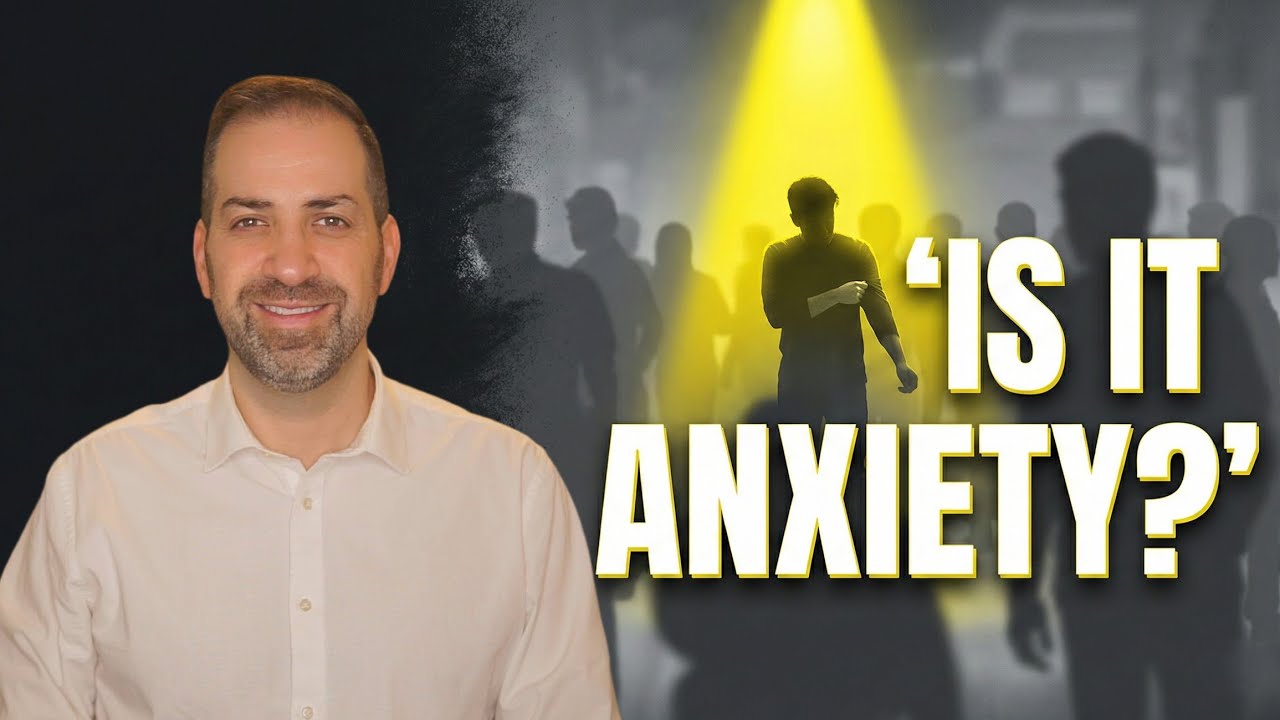 ▶ Play video
April 16, 2026
Most people experience some level of social discomfort at points in their lives but when those feelings start to interfere with how you live it might be a sign of social anxiety. This condition often begins subtly in the background by gradually shaping your choices without you even realizing it. One of the earliest indicators is consistent overthinking where your mind spins before during and after social interactions. You might find yourself analyzing every word you said or worrying about awkward silences instead of being present in the moment. Another red flag involves avoiding situations that feel threatening due to social elements such as turning down invitations to avoid the discomfort of being around unfamiliar people. Physical symptoms like chest tightness or a flushed face can also appear in everyday settings even when there is no actual danger. Many people develop safety behaviors like rehearsing what to say or avoiding eye contact to manage how they are perceived by others.…
Watch on YouTube ↗ ▶ Play video
April 9, 2026
Anhedonia is a symptom that often goes unrecognized even though it can quietly take over your entire emotional life. This inability to feel pleasure is not just about a lack of fun but a profound disconnection from the experience of joy itself. When you are struggling with this kind of emotional numbness, things you once loved like music or time with family start to feel distant and muted. It is as if you are viewing the world through frosted glass where all the color has been stripped away. This flatness makes it difficult to find motivation and can turn social interactions into exhausting chores. Many people begin to withdraw from others not because they are indifferent but because the effort of connecting feels too heavy. This isolation unfortunately creates a cycle that reinforces the numbness and makes the emotional world feel even smaller. Breaking this loop requires a combination of professional support and small consistent steps toward re-engagement.…
Watch on YouTube ↗ ▶ Play video
April 2, 2026
Cognitive Behavioral Therapy, or CBT, is one of the most researched and effective approaches for treating anxiety, depression, PTSD, and many other mental health challenges. It’s widely recommended as a first-choice therapy because it doesn’t just help you understand your struggles, it gives you the skills to change them. CBT focuses on the powerful connection between thoughts, behaviors, and emotions. Many people want to feel less anxious or less depressed, but you can’t directly force your emotions to change. Instead, CBT teaches you how to shift the patterns of thinking and behavior that keep difficult feelings in place. By learning how your mind works and why your anxiety or depression follows predictable patterns, you gain the clarity and tools needed to break the cycle. What makes CBT different from other therapy approaches is its structured, skills-based nature. Each session has a clear plan, and you’ll learn practical tools you can use immediately.…
Watch on YouTube ↗ ▶ Play video
March 26, 2026
Scrolling through social media often feels like a harmless way to pass the time but the psychological costs of constant comparison are becoming increasingly clear. When you see a filtered highlight reel of luxury vacations and career milestones it is natural to feel as though your own life does not measure up. This process of social comparison is a normal human drive to evaluate our success but platforms like Instagram and TikTok have amplified it in a way that erodes self worth and fuels persistent anxiety. You are essentially comparing your behind the scenes reality to everyone else’s polished and curated digital persona. This automatic habit happens mostly outside of your awareness where every micro comparison drops your self esteem another notch. The emotional residue of these digital interactions builds up over time and leads to a sense of restlessness and dissatisfaction. Protecting your mental health requires a shift toward intentional use and a clear understanding that what you see online is often more marketing than reality.…
Watch on YouTube ↗ ▶ Play video
March 23, 2026
Pam Beesly from The Office is one of the most quietly complex characters in the series. At first, she’s shy, soft-spoken, and stuck in a life that feels safe but unfulfilling. She stays in a stagnant engagement with Roy and a receptionist job that doesn’t challenge her, partly out of fear of change and partly because she doesn’t fully believe she deserves more. Pam downplays her own talents, especially her dream of being an artist, and avoids conflict to keep the peace. Her passivity makes her easy to like but also keeps her from growing, leaving her quietly dissatisfied. Pam’s story reflects how low self-esteem can keep someone in comfort zones that feel predictable but ultimately limit their happiness. She copes by minimizing her own needs and convincing herself that it’s better not to rock the boat. But through small, deliberate steps, breaking off her engagement, going to art school, and speaking up when it matters, she gradually builds the confidence to advocate for herself. That gradual exposure to change shows how self-trust is built in small moments, not all at once.…
Watch on YouTube ↗ ▶ Play video
March 19, 2026
We have all had those moments where our minds race ahead and land somewhere way worse than reality. A simple headache becomes a health crisis or a late email reply transforms into a career disaster. This specific way of thinking is called catastrophizing and it can seriously impact your mental health by jumping to extremes without evidence. When the amygdala is on high alert it treats uncertain situations as dangerous even when they are not, triggering a physical fight or flight response. This cycle can lead to chronic stress, burnout, and physical health problems like high blood pressure. Fortunately the first step toward reclaiming your peace is awareness. By identifying your personal triggers and using cognitive restructuring you can begin to challenge these worst case scenario thoughts. Instead of letting a fear run the show, you can ask for the evidence that supports or contradicts your worries. Reframing the way you talk to yourself allows you to see the situation through a lens of clarity rather than a filter of fear.…
Watch on YouTube ↗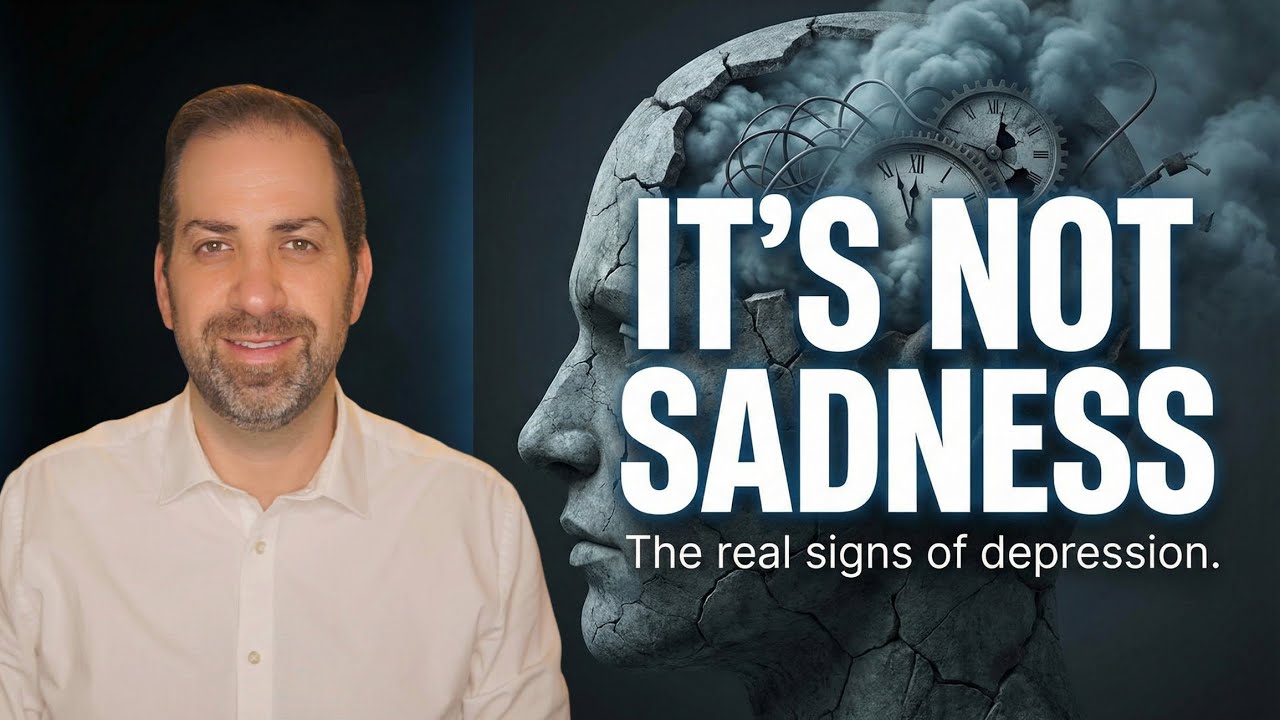 ▶ Play video
March 12, 2026
Depression often shows up in ways that look nothing like the typical image of sadness or crying. For many people, it feels more like a sense of nothingness or an emotional flatline that creeps in so slowly it is hard to notice at first. While clinical depression is a leading cause of disability worldwide, it remains deeply misunderstood by those who reduce it to a simple bad mood. Understanding the nine common symptoms is essential because they impact how you think, move, and relate to others. You might experience a loss of interest in things you once loved, a condition known as anhedonia, or find that your appetite and sleep patterns have shifted dramatically. Physical fatigue can feel bone deep and even small tasks like brushing your teeth can become exhausting. Cognitive challenges are also common, where memory becomes fuzzy and concentration fades, sometimes appearing as a temporary decline in mental clarity. These signs are not a reflection of laziness or a lack of willpower but are symptoms of a condition that affects your entire being.…
Watch on YouTube ↗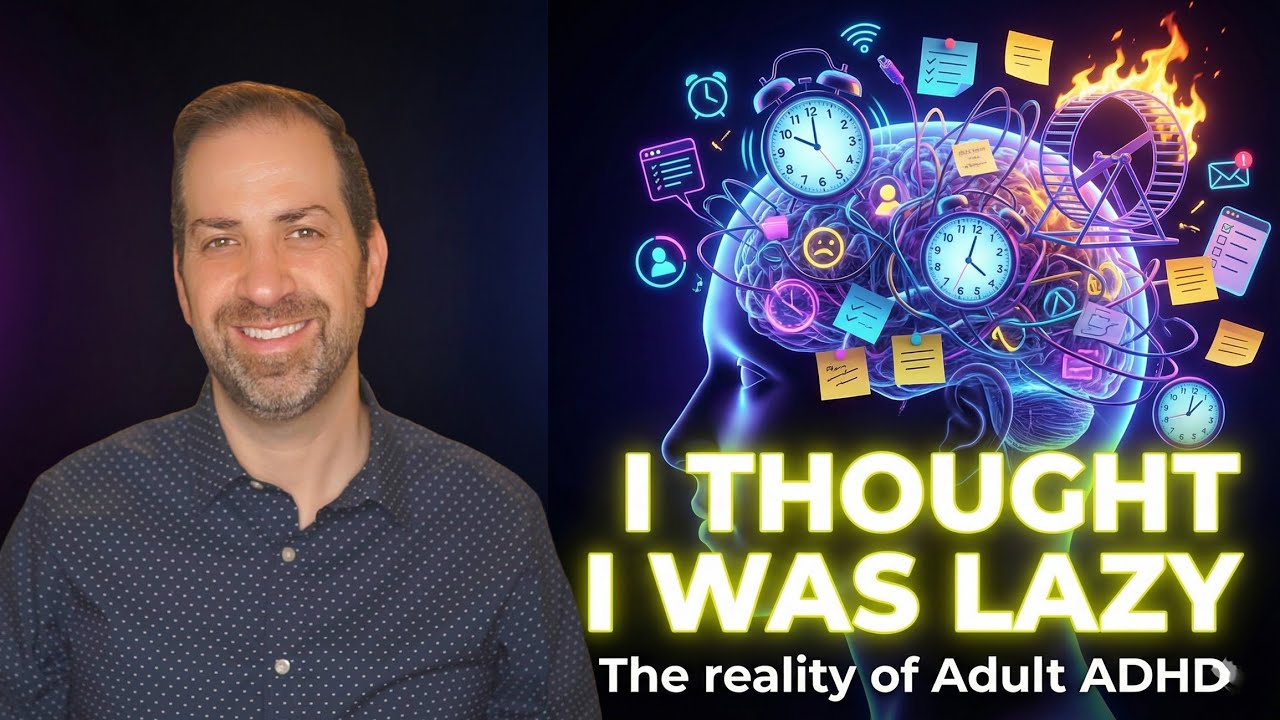 ▶ Play video
March 5, 2026
Many adults live with the constant feeling that they are falling short despite their best efforts, often unaware that their struggles with focus and organization are actually rooted in adult ADHD. While the common image of this condition involves a hyperactive child, the reality for adults is often much more subtle and internalized. It frequently manifests as chronic forgetfulness, mental fog, or an internal restlessness that makes it difficult to stay present in conversations or finish routine tasks. This neurodevelopmental condition affects the brain’s executive functioning, which governs the ability to plan, initiate activities, and regulate emotions. Many people become experts at masking these difficulties for years, relying on last minute pressure or elaborate systems to stay on top of deadlines. This persistent struggle can lead to a state of time blindness where estimating the passage of hours or prioritizing tasks feels nearly impossible. When these challenges are misattributed to laziness or poor discipline, it creates a heavy burden of self criticism and shame.…
Watch on YouTube ↗ ▶ Play video
February 26, 2026
Guilt often sneaks in and takes hold of us for the long haul, feeling like a heavy and invisible burden that is nearly impossible to put down. While this emotion can be a helpful signal for personal growth or repairing relationships, it frequently transforms into something toxic that lingers long after a situation has passed. Understanding whether your feelings are rooted in actual responsibility or are simply a reflection of misplaced expectations is the first step toward finding relief. Toxic guilt often sounds like a harsh judgment of your entire identity rather than a specific mistake you made, leading to cycles of self blame and unnecessary shame. Many people carry guilt that does not actually belong to them, often stemming from childhood patterns or the influence of others who use it as a tool for control. Letting go means asking honest questions about where the feeling originates and recognizing that not everything painful is your responsibility to fix. Growth involves learning from the past without endlessly reliving your darkest moments.…
Watch on YouTube ↗ ▶ Play video
February 24, 2026
Dwight Schrute from The Office is one of the most eccentric and memorable characters in sitcom history. He’s a top salesman at Dunder Mifflin who takes his role as “Assistant to the Regional Manager” with extreme seriousness. Dwight thrives on structure, rules, and hierarchy, clinging to formal titles and rigid routines to give his life order. Beneath his bizarre confidence and relentless ambition lies a deeper need for control and recognition. He doesn’t just want to succeed; he wants proof that he matters, which is why he’s obsessed with titles, status, and being acknowledged as the best. Socially, Dwight struggles with subtle cues and misreads interactions, which makes him appear awkward and detached. But his behavior reflects a very human longing for belonging. He builds his identity around roles, top salesman, loyal enforcer, beet farmer, because they give him clarity in a confusing social world. His loyalty to Michael, even when it isn’t fully reciprocated, shows that he values connection deeply but expresses it through structure and duty rather than casual warmth.…
Watch on YouTube ↗ ▶ Play video
February 19, 2026
Many of us have been taught that doing our best means pushing through no matter what and that showing up for others is more important than checking in with ourselves. We celebrate the hustle and the drive for high achievement, but this often hides a quiet struggle with mental health that even top performers in sports, business, and entertainment experience. When success is tied to perfectionism, the belief that you are only worthy if you are flawless becomes an exhausting burden that leads to a persistent sense of failure. This mindset often results in long hours and a lack of boundaries where work begins to bleed into every aspect of life. You might find that your brain stays in a foggy and reactive state, making even simple decisions feel overwhelming. Physical signs like chronic fatigue, sleep disruption, and muscle tension are your body's way of trying to get your attention before a full breakdown occurs. Prioritizing your well-being and setting firm boundaries are not luxuries but necessary tools for survival and long term performance.…
Watch on YouTube ↗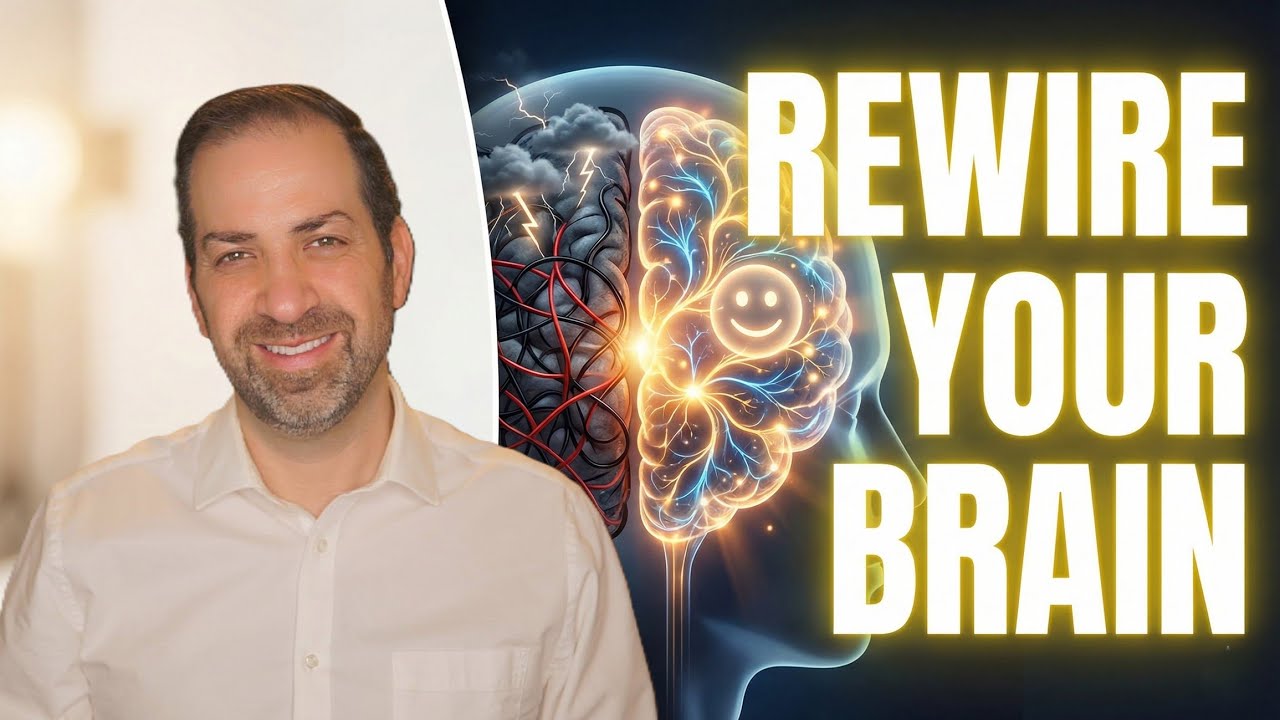 ▶ Play video
February 12, 2026
Noticing the good things in your life is more than just a nice idea because your brain is constantly paying attention and reshaping itself based on where you direct your focus. This process is known as neuroplasticity and it means that you can actually train your mind to focus on positive experiences to build greater emotional strength. When you practice noticing small moments of joy, your brain releases dopamine which strengthens the neural pathways associated with motivation and learning. Over time, these consistent choices can even turn down the alarm system in your amygdala and strengthen your prefrontal cortex, leading to better emotion regulation and less reactivity to stress. Mindfulness and gratitude are not just buzzwords but are evidence based tools that help calm your nervous system and shift your perspective from scanning for threats to recognizing what is working well. Changing your inner monologue and reframing challenges as opportunities for growth can lead to lasting physical and mental health benefits.…
Watch on YouTube ↗ ▶ Play video
February 5, 2026
Meeting someone charming who eventually feels off can be a confusing experience, especially when manipulation and self absorption start to surface. These behaviors often stem from the dark triad, a cluster of personality traits including narcissism, machiavellianism, and psychopathy that quietly impact relationships and workplaces. While these characteristics do not always indicate a clinical diagnosis, they involve a significant lack of empathy and a willingness to exploit others for personal gain. Narcissism brings a need for constant admiration, while machiavellianism involves strategic calculation to maintain control. Psychopathy often appears as emotional coldness and impulsivity without remorse. Recognizing these patterns is essential for protecting yourself from emotional distancing or gaslighting in your daily life. By paying attention to persistent behaviors rather than isolated incidents, you can set firm boundaries and trust your intuition. Understanding this framework helps you identify when someone is consistently hurtful and provides the clarity needed to stay safe.
Watch on YouTube ↗ ▶ Play video
January 29, 2026
Many people view panic attacks as random events that arrive without warning, but these episodes often rely on a very specific fuel source. Once this cycle begins, it creates an engine of distress that keeps panic disorder running even when no real threat is present. This pattern starts when your body's natural alarm system triggers a fight or flight response in a safe situation. You might feel a racing heart or dizziness and instinctively try to make sense of these intense sensations with frightening thoughts. These reactions act like fuel on a fire, intensifying the physical response and creating a feedback loop. This constant monitoring of your body, known as hypervigilance, and the subsequent avoidance of certain places only serve to reinforce the belief that these sensations are dangerous. Understanding how this loop operates is the first step toward reclaiming control. By recognizing these false alarms and gradually facing the situations you have been avoiding, you can effectively cut off the fuel supply and break the cycle of fear for good.
Watch on YouTube ↗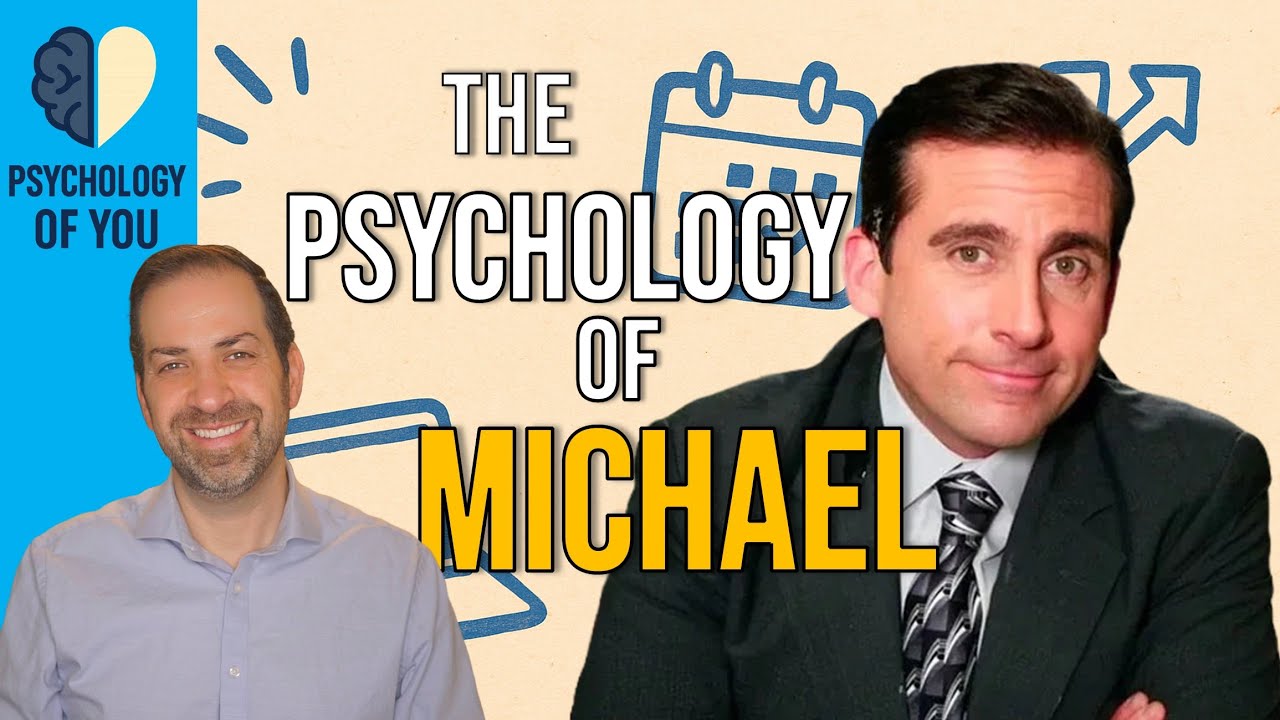 ▶ Play video
January 26, 2026
Michael Scott from The Office is one of the most unforgettable sitcom characters ever created. He’s the well-meaning but socially awkward boss of Dunder Mifflin Scranton, constantly seeking approval and affection from his employees. On the surface, his inappropriate jokes, lack of self-awareness, and desperate need to be liked seem purely comedic. But beneath the humor is a complex psychological portrait of someone shaped by insecurity, loneliness, and a deep fear of rejection. Michael’s entire sense of self-worth revolves around external validation. When people laugh at his jokes or give him attention, he feels valued. When they don’t, he experiences it as a personal rejection, which drives him to try even harder to win them over. Michael shows classic signs of anxious attachment. He craves closeness and views his coworkers as his family, blurring boundaries between professional and personal life. This attachment insecurity likely stems from his lonely past and lack of meaningful relationships outside of work.…
Watch on YouTube ↗ ▶ Play video
January 22, 2026
Opening an app just to check something quickly often leads to a forty five minute scroll through endless short videos that feel outdated before they even end. This content is specifically engineered to be sticky and flashy so that it is nearly impossible to look away. While the phrase brain rot might sound dramatic, it captures a real shift in cognitive function that neuroscience is starting to document. Constant engagement with fast paced media changes how the brain processes information and makes decisions. Research indicates that heavy consumption of short form content can weaken the system known as loss aversion, which usually protects people from making impulsive or risky choices. When this protective system fades, decisions become more reward driven and less reflective. Neurologically, this shows up as reduced activity in the precunius, a region responsible for evaluation and pausing. Beyond impulsivity, there is a noticeable impact on what cognitive psychologists call the drift rate.…
Watch on YouTube ↗ ▶ Play video
January 15, 2026
Feeling overwhelmed by constant worry is an experience many of us face, leading to a relentless search for anxiety relief through medication or self-help. Most modern approaches treat these feelings as a brain malfunction that needs to be silenced, yet rates of chronic unease continue to climb globally. This occurs because our basic understanding of mental health is often flawed. Instead of viewing these sensations as a disease, we should recognize that anxiety is a sophisticated feature of the human mind. It is fundamentally different from immediate fear because it relies on your unique ability for future thinking and mental simulation. When your heart races before a big event, it is not a sign of failure; it is your internal system preparing you for what matters most. True emotional resilience comes from changing your relationship with these feelings rather than attempting to eliminate them entirely. While an anxiety disorder can certainly become unmanageable through avoidance and suppression, the emotion itself is a vital tool for preparation and focus.…
Watch on YouTube ↗ ▶ Play video
January 8, 2026
For decades, many people were told that depression is caused by a chemical imbalance in the brain, often tied to low serotonin levels. This explanation was simple, easy to market, and widely accepted. But recent research, including a 2022 review, has shown that the theory of serotonin deficiency as the root cause of depression doesn’t hold up under scientific scrutiny. That doesn’t mean antidepressants don’t help some people. But it does mean the explanation we've been given is incomplete. The chemical imbalance theory has shaped public perception and treatment approaches for years. It framed depression as purely biological, which left many feeling broken or dependent on medication as the only solution. In reality, depression is far more complex. It involves biological factors, yes, but also thought patterns, trauma, behavior, lifestyle, and environment. Understanding this complexity opens up more paths to healing.
Watch on YouTube ↗ ▶ Play video
January 1, 2026
Every January, people set New Year’s resolutions with the hope of making lasting changes, yet most fail within weeks. This isn’t just about discipline or laziness. There are clear psychological reasons New Year’s resolutions fail. One major factor is the fresh start effect, where the beginning of a new year creates optimism but also encourages unrealistic goals. This optimism is tied to motivation, which spikes early but fades quickly without systems to sustain it. Another reason for failure is setting unrealistic goals that are too ambitious to fit into daily life. When people commit to extreme changes, the first setback often leads to giving up entirely. Vague intentions like “get healthy” or “save money” also weaken follow-through because they lack measurable actions. All-or-nothing thinking makes small mistakes feel like total failure, while the brain’s preference for immediate rewards undermines long-term goals. Willpower has limits, especially when it’s constantly tested.…
Watch on YouTube ↗ ▶ Play video
December 29, 2025
Jonathan Byers is often seen as the quiet, introverted one in Stranger Things, but there’s far more going on beneath the surface. This video explores what makes Jonathan such a compelling and emotionally layered presence in the show. He’s not flashy or loud, but his personality, rooted in observation, loyalty, and emotional restraint, adds an essential dynamic to the Stranger Things story. We explore how Jonathan’s introversion is a response to his family stress, how his protective role toward Will shapes his identity, and how photography becomes his way of processing the world. This video also covers Jonathan’s trauma response, his complicated emotions around guilt and control, and his understated growth over the seasons. His relationship with Nancy Wheeler is explored through a psychological lens, focusing on the themes of validation, connection, and being seen for who he truly is. By digging into these themes, we get insight into what drives Jonathan’s choices and how he evolves from background observer to active participant.
Watch on YouTube ↗READ. WATCH. REFLECT.
Take the next step in understanding.
Our psychology guides explain the ideas behind the videos, with everyday examples and questions to bring to a professional.
Explore psychology guides ↗