
THE CENTRAL IDEA
Recognize when asking for certainty brings relief that does not last.
Information seeking has an endpoint
A genuine information question leads to a decision. Reassurance seeking continues because the answer does not feel settled. The same question may be repeated, rephrased, or taken to another person. Urgency is another clue: the person feels unable to continue until certainty is restored.
Why reassurance reinforces anxiety
When reassurance removes fear, the brain learns that the fear required an external answer. The person gets less practice tolerating uncertainty independently. The next anxious thought then feels more important and more in need of checking.
Health anxiety and OCD
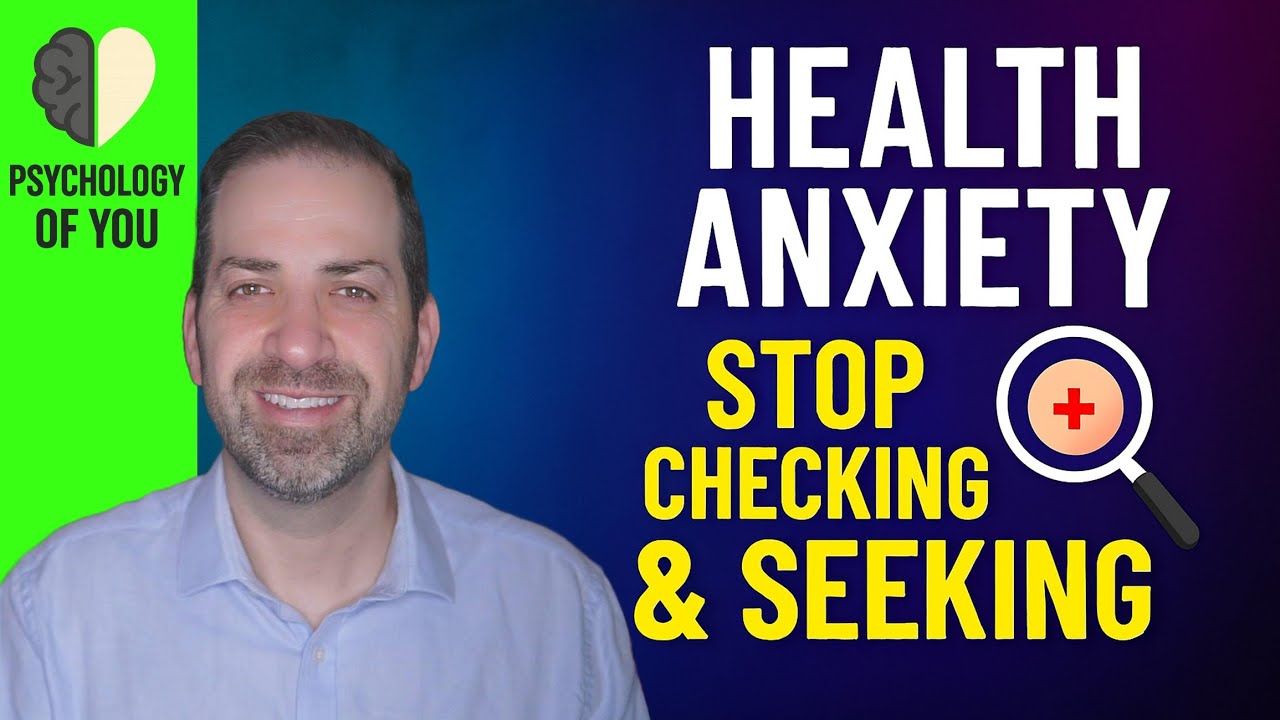
Health anxiety may produce repeated questions about symptoms, tests, or diagnoses. OCD may produce questions about morality, memory, relationships, contamination, or intrusive thoughts. The content differs, but no answer can provide permanent certainty because a new hypothetical exception can always be created.
The impact on relationships
Partners and family members can feel trapped between answering repeatedly and triggering distress by refusing. A better plan combines support with boundaries. Someone can acknowledge anxiety without providing another certainty-seeking answer. It is easier to agree on this plan outside the crisis moment.
Reducing reassurance
Useful first steps include delaying a question, reducing how many times it is asked, using one reliable information source, or deciding in advance what amount of checking is reasonable. Anxiety may rise at first. That rise creates the opportunity to learn that uncertainty can be carried without another answer.
Support is still allowed
Reducing reassurance does not mean becoming emotionally isolated. Comfort, empathy, and practical support are different from repeatedly answering the same certainty question. The goal is to change the function of the interaction, not remove connection.
A useful question before asking
Before seeking reassurance, it can help to ask what the answer is expected to accomplish. If the goal is to obtain new information needed for a decision, asking may be sensible. If the same question has already been answered and the goal is to make anxiety disappear, another answer is likely to provide only temporary relief. Delaying the question for a short period can expose the pattern clearly. The urge often rises, feels urgent, and then changes without the feared disaster occurring. Over time, reducing repetitive reassurance gives the person a chance to learn that uncertainty can be tolerated and that confidence does not have to come from another person repeatedly confirming safety.
The answer that needs to be given again
AN EVERYDAY EXAMPLE · FICTIONAL
A person asks if an email sounds acceptable. A friend says yes. A few minutes later, the person asks about a specific sentence, then asks a second friend. Each answer brings temporary relief, but the decision to send the email becomes harder.
Asking for help is not inherently a problem. The useful distinction is what happens afterward. Information that enables a decision serves a different role from reassurance that must be repeated because the feeling of certainty faded.
Questions to reflect on
- Did the answer help me make a decision?
- How long did the relief last before I needed another answer?
Use these questions to describe a pattern or prepare for a conversation with a professional. They are not a diagnostic test.
Watch the ideas in context

Continue reading
Sources & further reading
For additional information about the clinical ideas discussed here:
- NHS: Health anxiety.
- National Institute of Mental Health: Obsessive-compulsive disorder.
Examples on this page are illustrative and do not describe actual patients. About these resources.
This guide offers general education. It cannot diagnose symptoms, assess risk or provide an individual treatment plan. For personal advice, contact an appropriate health professional. Finding help and urgent support.